TE MOTU O MĀTIU

THE IDENTITY

Within Wellington Harbour, there are three islands: Mokopuna, Mātiu, and Mākaro/Ward Island. Mākaro isn’t seen in this picture. Mātiu and Mākaro are named after Kupe’s daughters, whom he is said to have left behind.

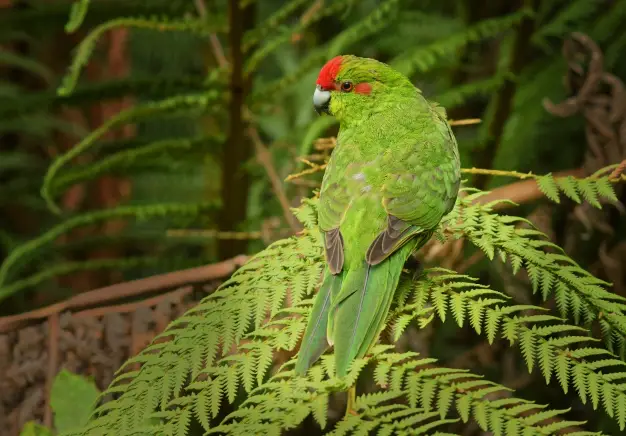
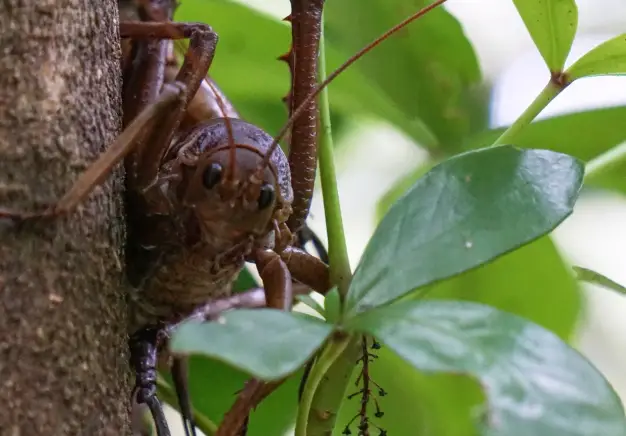
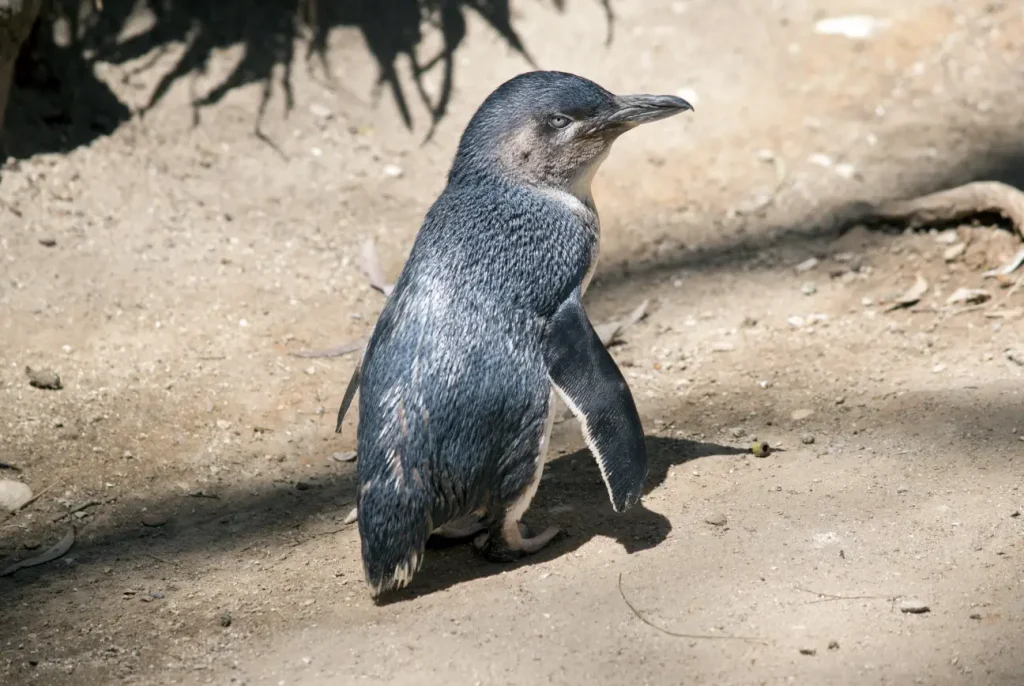
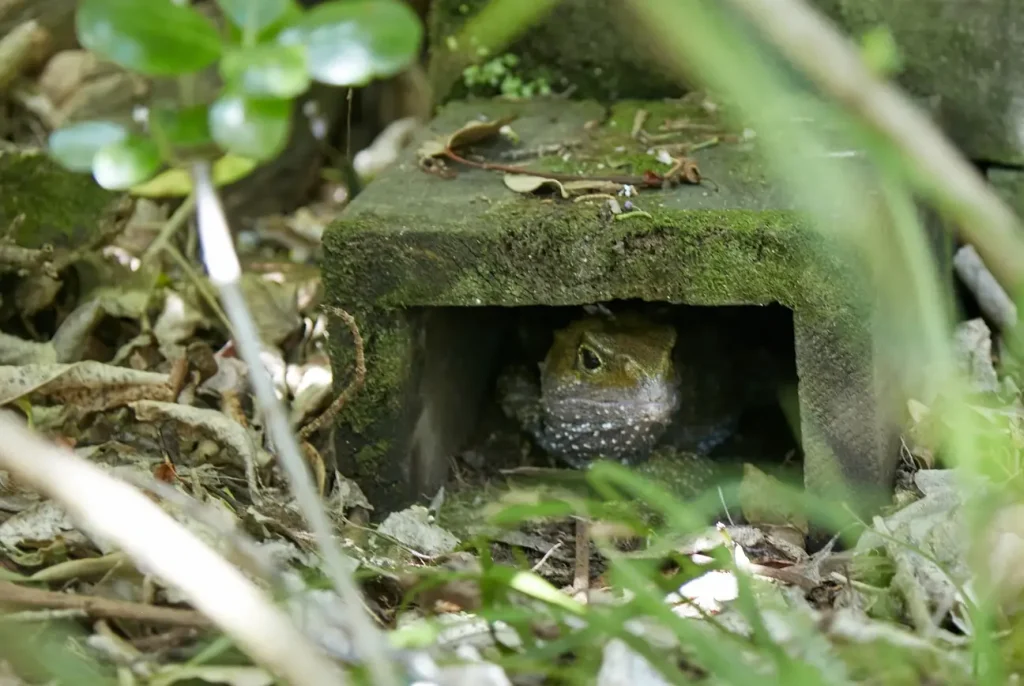
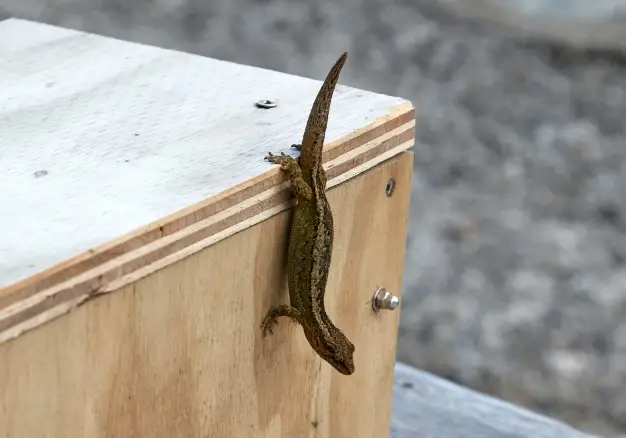
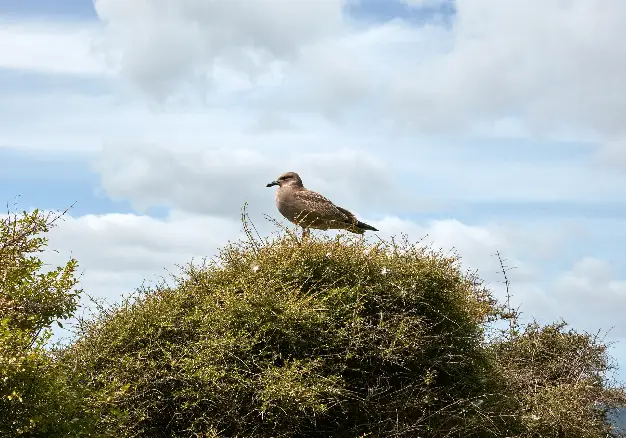
The largest of these is Te Motu o Mātiu, known also as Mātiu/Somes Island. It sits at the heart of Te Whanganui-a-Tara, holding deep significance for mana whenua. First settled by Māori and later used as a internment camp and quarantine station, the island carries layered histories of occupation, separation, resilience, and renewal. Over time, it has transformed into a sanctuary for native species and a place of learning and reflection.
MANA WHENUA STORY

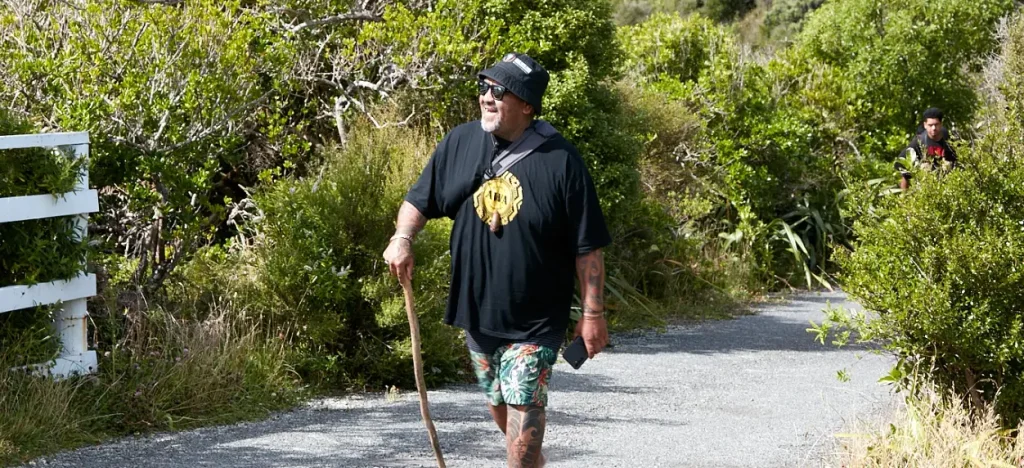
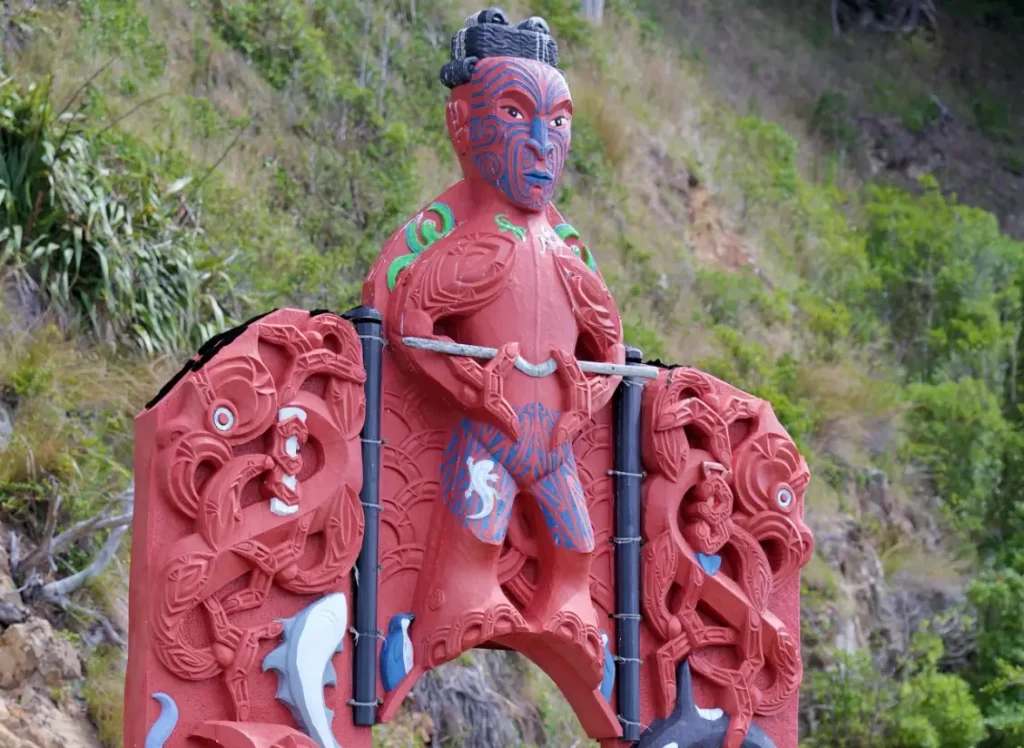
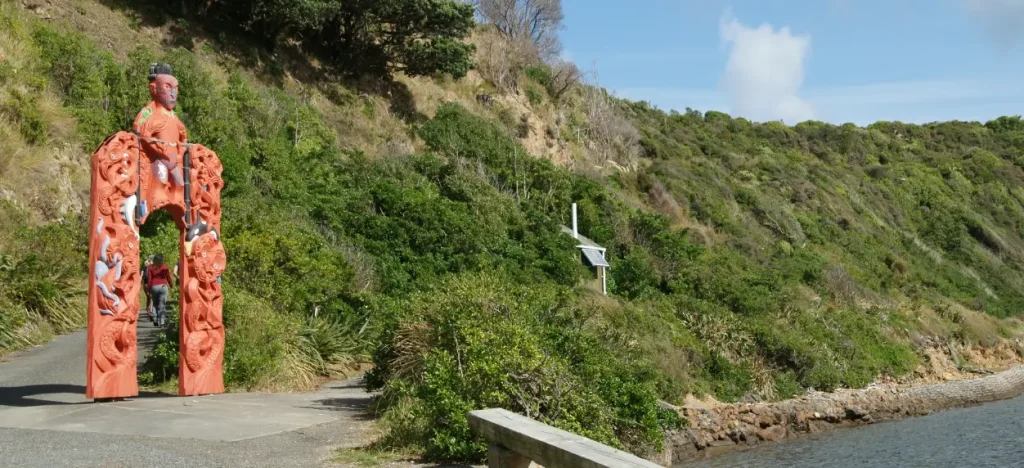
Mātiu/Somes Island holds deep cultural significance for mana whenua, shaped by ancestral connections, layered histories, and enduring relationships with the harbour. As kaitiaki, there is a shared responsibility to uphold the island’s mauri, recognising its ecological sensitivity and the impact of human presence. Protecting its integrity today ensures its stories and values endure for generations to come.

RESPECT WĀHI TAPU

Respect wāhi tapu by honouring cultural boundaries, following guidance on site, and helping protect sacred places for future generations.

MOVE CAREFULLY

Move carefully across the island, stay on marked tracks, and tread lightly to protect fragile habitats and wildlife.